
BLOG

B2B Logistics Company vs. Parcel Delivery: What’s the Difference?
Aug 26, 2026
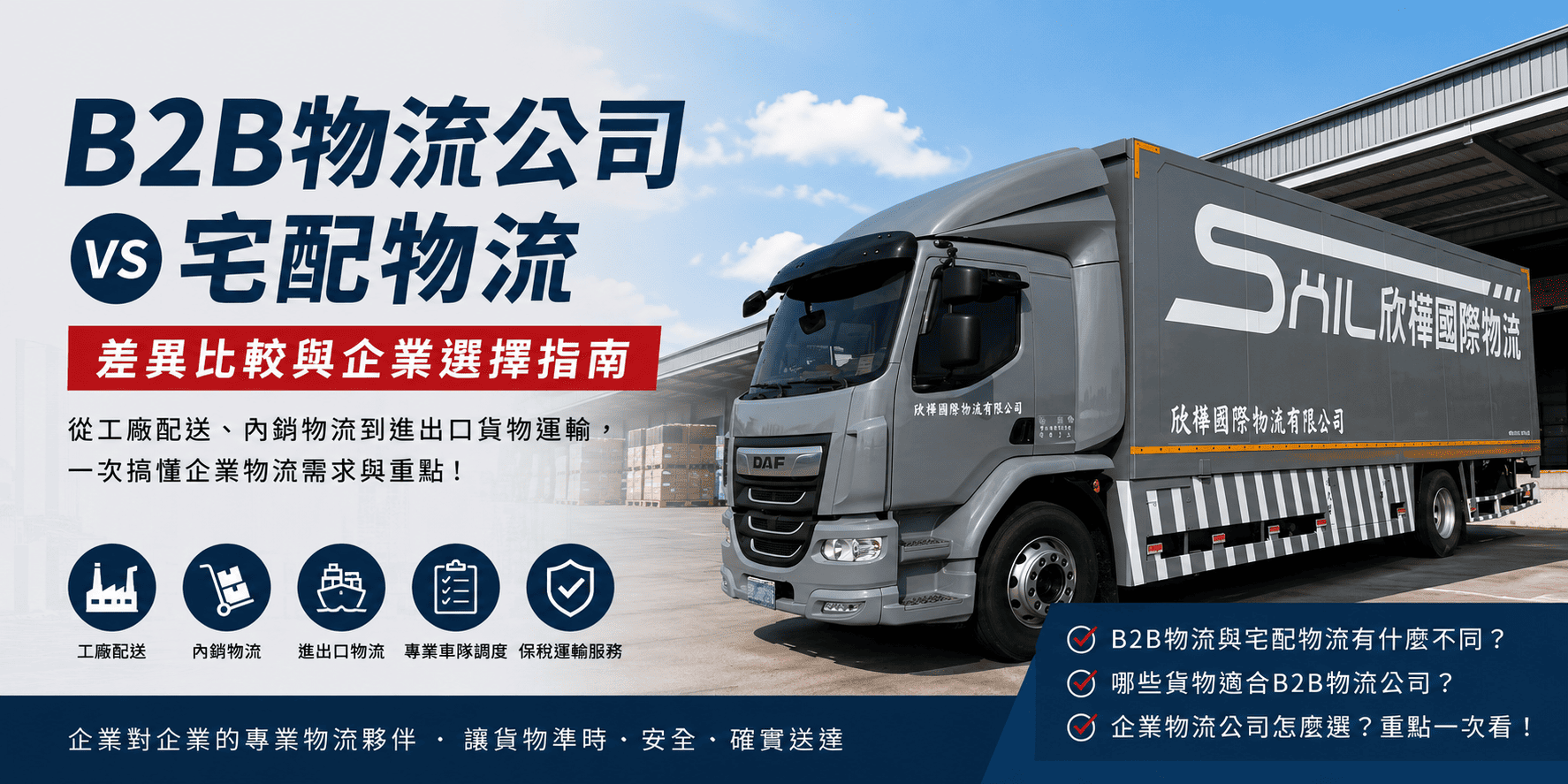
When businesses need to move goods, parcel delivery may be the first option that comes to mind. However, transporting raw materials, electronic components, machinery, palletized cargo, or import and export shipments requires a very different logistics model.
B2B logistics focuses on business-to-business transportation and often requires specific delivery times, vehicle types, cargo handling, factory access, and production schedules. Parcel delivery, on the other hand, is designed for standardized packages and is commonly used for e-commerce, online shopping, and consumer deliveries.
So what does a B2B logistics company actually do, and when should a business choose B2B freight services instead of regular parcel delivery? This guide explains the key differences.
What Is B2B Logistics?
B2B stands for Business to Business. B2B logistics is the transportation of goods from one business to another. Common examples include suppliers delivering raw materials to factories, electronic components being transported to technology companies, imported machinery moving from a port to a manufacturing plant, or finished products being delivered to distributors and corporate customers.
Unlike consumer parcels, business cargo can vary significantly in weight, dimensions, quantity, and handling requirements. A B2B logistics company therefore needs to arrange suitable trucks, delivery routes, schedules, and loading or unloading procedures based on each shipment.
For manufacturers and technology companies, logistics is often directly connected to production schedules. A delayed shipment of raw materials or components can affect production, while an export shipment arriving late at a port or airport may miss its vessel or flight. Business logistics is therefore not simply about whether the cargo arrives, but whether the right cargo arrives at the right location, at the right time, using the right vehicle.
What Is Parcel Delivery?
Parcel delivery is designed for high volumes of relatively standardized packages. It is commonly used for e-commerce orders, personal shipments, online retailers, and B2C deliveries. Packages are typically sorted through distribution centers and delivered according to predefined routes.
This model is highly efficient for small packages, but it may not be suitable for oversized cargo, pallets, machinery, dedicated truckloads, or shipments that require scheduled factory delivery.
B2B Logistics vs. Parcel Delivery
The main differences between B2B logistics and parcel delivery are the customer type, cargo characteristics, and delivery requirements.
| Comparison | B2B Logistics | Parcel Delivery |
|---|---|---|
| Main Customers | Manufacturers, technology companies, trading companies, corporate customers | Consumers, e-commerce sellers, individual shippers |
| Typical Cargo | Raw materials, pallets, components, machinery, import/export cargo | E-commerce goods, cartons, small parcels |
| Delivery Model | Customized by cargo, route, vehicle, and schedule | Standardized distribution routes |
| Vehicle Selection | Truck type can be selected based on cargo requirements | Usually determined by the carrier |
| Delivery Schedule | Can be coordinated with factories and business sites | Follows standard courier delivery windows |
| Common Uses | Factory delivery, domestic distribution, port/airport pickup, dedicated trucks | Online shopping, personal parcels, standard goods |
Neither model is inherently better. Small standardized packages are usually well suited to parcel delivery, while pallets, machinery, raw materials, scheduled factory deliveries, and dedicated truckloads are generally better handled by a professional B2B logistics company.
Why Is Fleet Dispatch Important in Business Logistics?
B2B cargo varies significantly from shipment to shipment. A company may need a smaller truck for components today, a larger truck for raw materials tomorrow, and a dedicated vehicle to collect imported machinery from a port later in the week.
A key capability of a B2B logistics company is matching the right vehicle to the cargo weight, dimensions, pickup location, destination, and required delivery time. For regular business deliveries, familiarity with factory access rules, receiving contacts, and unloading procedures can also reduce waiting time and communication errors.
What Types of Cargo Are Best Suited for B2B Logistics?
B2B logistics is not limited to oversized shipments. Any delivery involving business-to-business transportation, scheduled delivery, specific vehicles, or factory receiving procedures may benefit from a dedicated business logistics provider.
- Factory raw materials and production supplies
- Electronic components and technology industry cargo
- Machinery and precision instruments
- Palletized and bulk cargo
- Finished goods and domestic distribution
- Regular supplier-to-factory deliveries
- Port and airport import/export cargo pickup
- Bonded cargo transportation
- Dedicated trucks and scheduled business routes
B2B Logistics Is Not Only About Import and Export
Import and export logistics is important, but domestic distribution is also a major part of B2B logistics. Examples include delivering finished products to corporate customers, moving components from suppliers to factories, and transferring raw materials between plants and warehouses.
For businesses, delivery is not only about getting the cargo to its destination. The appearance and professionalism of the truck and driver can also influence how the receiving customer perceives the supplier.
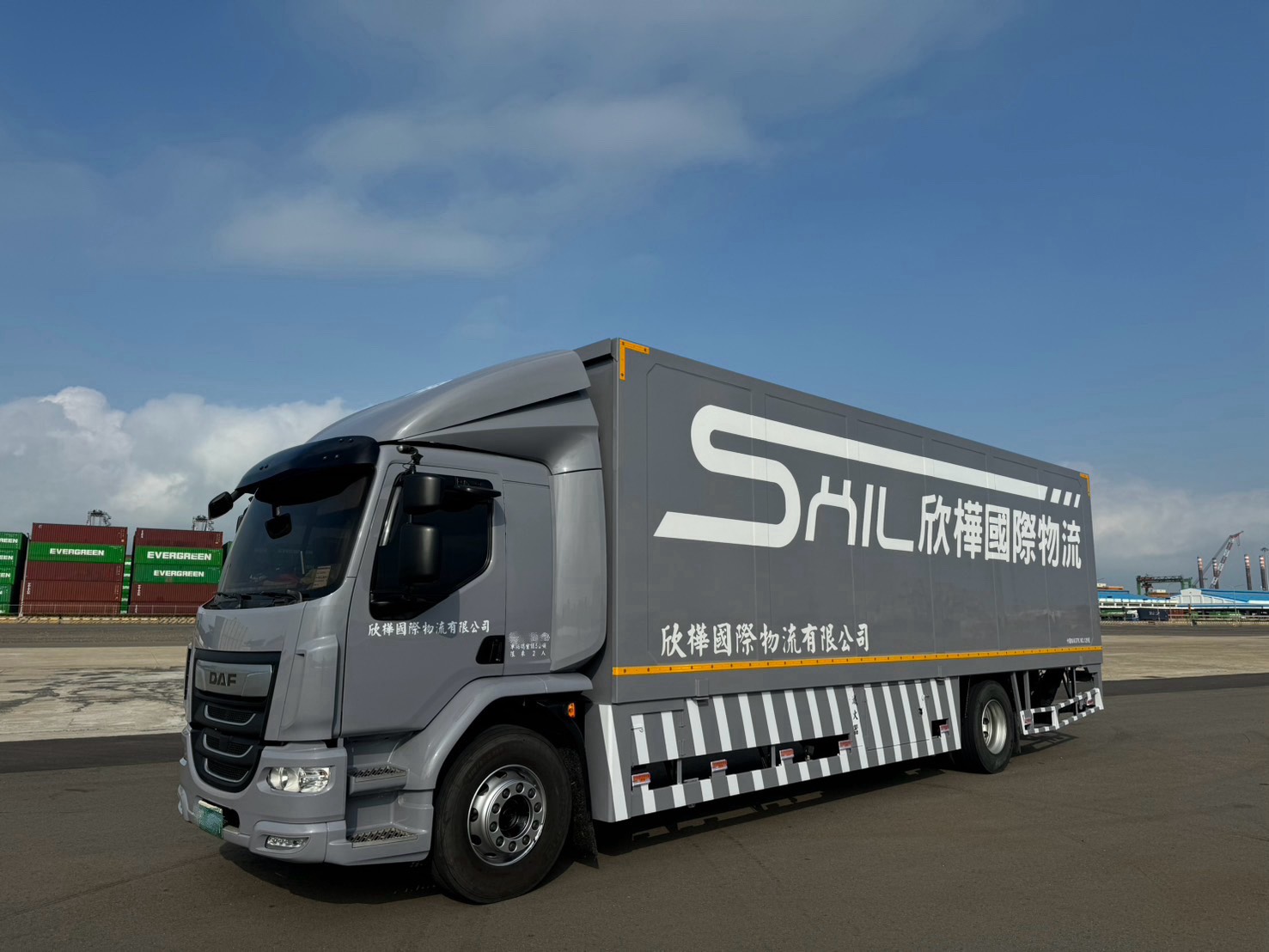
SHIL International Logistics maintains a clean and professional fleet with a consistent corporate gray design and company branding. When delivering finished goods directly to a customer's customer, a well-maintained and recognizable logistics vehicle can help create a more professional final delivery experience. For businesses that care about brand image and customer experience, the logistics fleet can become an extension of the company's service quality.
For companies with both international and domestic transportation needs, working with the same B2B logistics provider can also improve consistency. Over time, the logistics team becomes familiar with factory receiving procedures, contacts, routes, and specific delivery requirements.
Related Article: Domestic Logistics in Taiwan: Distribution and Transportation Guide
How Is B2B Import Export Logistics Different from Parcel Delivery?
Import and export cargo usually involves additional coordination. After customs clearance, imported goods may require port or airport pickup before being transported to a factory. Export cargo may need to reach a port, airport, or warehouse before a vessel or flight cutoff time.
Some shipments may also require bonded transportation. Businesses with international shipments should therefore consider whether their B2B logistics provider has experience with port pickup, airport cargo pickup, import/export delivery, and bonded cargo transportation.
Related Article: What Is a Bonded Truck? A Guide to Bonded Cargo Transportation
How to Choose a B2B Logistics Company
Business logistics often affects purchasing, production, shipping schedules, and customer delivery dates. For this reason, companies should evaluate more than transportation price alone.
- Legal Transportation Qualifications: Confirm that the provider operates legally authorized commercial freight vehicles.
- Fleet and Dispatch Capability: Check whether suitable vehicles can be arranged according to cargo size and delivery requirements.
- B2B Delivery Experience: Look for experience serving factories, manufacturers, technology companies, and corporate customers.
- Service Coverage: Confirm whether the provider can support your key business regions and cross-regional deliveries.
- Specialized Logistics Capability: Companies with import/export or bonded cargo should confirm relevant experience and qualifications.
- Professional Fleet Image: For customer-facing deliveries, clean vehicles and clear corporate branding can strengthen the professional image presented at the receiving site.
Recommended B2B Logistics Company in Taiwan: SHIL International Logistics
If your business is looking for a long-term B2B logistics company or business logistics provider in Taiwan, SHIL International Logistics specializes in serving manufacturers, technology companies, import-export businesses, and other corporate customers.
Our services include domestic business distribution, factory transportation, dedicated truck delivery, port and airport cargo pickup, import/export cargo delivery, and bonded transportation.
SHIL operates legally authorized commercial freight vehicles and its own fleet. Our core service area covers Taichung and Central Taiwan, with regular transportation to Hsinchu, Taoyuan, Greater Taipei, and other regions when required.
Unlike standardized parcel delivery, our team evaluates cargo quantity, dimensions, weight, pickup and delivery schedules, and destination requirements before arranging an appropriate vehicle.
In addition to import and export logistics, SHIL also provides domestic B2B distribution, including raw material delivery, component transportation, factory transfers, finished goods delivery, dedicated routes, and scheduled corporate transportation.
SHIL International Logistics Services:
- B2B business logistics
- Domestic distribution and factory delivery
- Raw materials, components, and finished goods transportation
- Dedicated truck and scheduled business delivery
- Port pickup and import/export cargo transportation
- Airport cargo pickup and delivery
- Bonded cargo transportation
- Business transportation across Central and Northern Taiwan
B2B Logistics FAQ
What is B2B logistics?
B2B logistics refers to transportation and distribution between businesses. Typical shipments include raw materials, electronic components, machinery, finished products, and import/export cargo. Compared with parcel delivery, B2B logistics usually requires more customized vehicle scheduling, delivery timing, and factory coordination.
What is the difference between B2B and B2C logistics?
B2B logistics serves business-to-business shipments, while B2C logistics generally delivers products directly to consumers. B2B cargo tends to vary more in size, quantity, and handling requirements, while B2C parcel networks are usually more standardized.
Can businesses use regular parcel delivery?
Yes. Parcel delivery may be suitable for small packages that meet courier size and weight requirements. Palletized cargo, machinery, bulk raw materials, scheduled deliveries, and dedicated truck requirements are generally better suited to business logistics services.
Can a B2B logistics company provide dedicated trucks?
Yes. Dedicated trucks can be arranged for scheduled deliveries, fixed routes, bulk cargo, or shipments that should not be consolidated with other cargo, subject to vehicle availability and shipment requirements.
Can a business logistics company handle both import/export and domestic distribution?
Yes, depending on the provider. Businesses with both international and domestic transportation needs can look for a logistics company that provides port and airport pickup, import/export cargo delivery, bonded transportation, factory delivery, and domestic distribution.
Conclusion
The main difference between a B2B logistics company and parcel delivery is the type of cargo and the level of customization required. Parcel services are ideal for standardized small packages, while business logistics focuses on vehicle selection, delivery schedules, factory procedures, cargo requirements, and fleet coordination.
For manufacturers, technology companies, trading companies, and import-export businesses, logistics can directly affect production schedules and customer delivery commitments. Choosing a professional B2B logistics partner with the right qualifications, fleet capabilities, industry experience, and domestic and international transportation services can help create a more reliable and efficient supply chain.
Article classification
Latest articles
- How to Choose a Long-Term Logistics Partner for Your Factory? 7 Key Factors for B2B Logistics
- B2B Logistics Company vs. Parcel Delivery: What’s the Difference?
- What’s the Difference Between Green and White License Plate Trucks?
- What Makes High-Tech Logistics Different? Science Park & Industrial Park Delivery Explained