
BLOG

What Is a Bonded Truck? Key Points of Bonded Cargo Transportation Explained
Dec 30, 2025
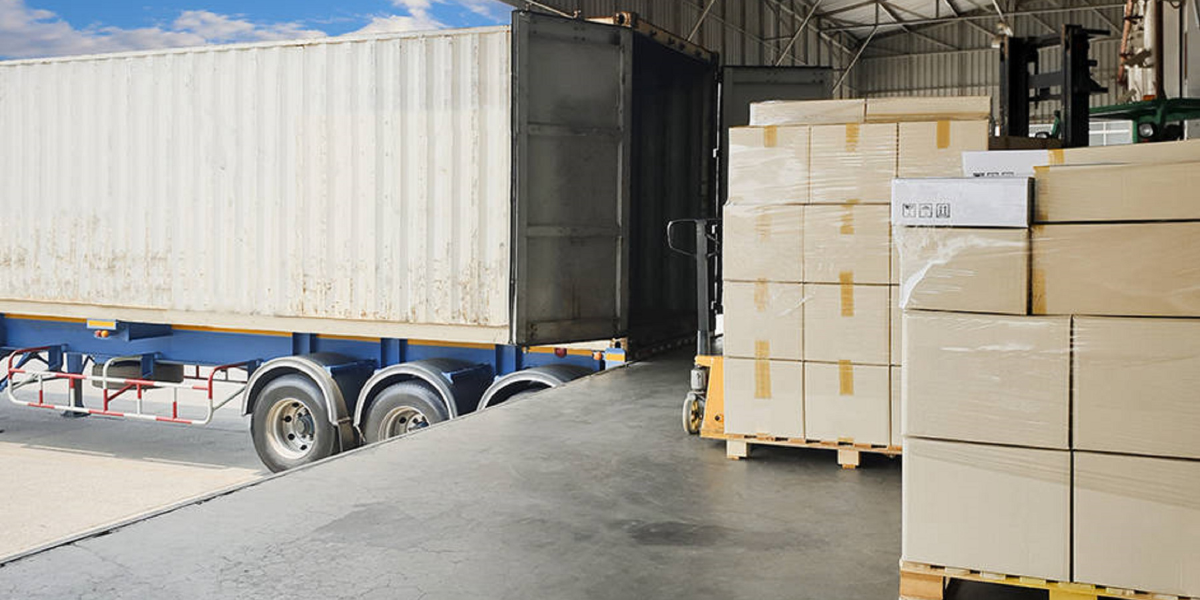
In import, export, and bonded logistics operations, determining whether bonded trucks are required is a critical factor affecting regulatory compliance, delivery timelines, and risk management. This article provides a comprehensive explanation of the definition of bonded trucks, applicable scenarios, and key operational considerations from both regulatory and practical perspectives.
What Is a Bonded Truck?
A bonded truck is a vehicle approved by the customs authority and specifically designated for transporting cargo that has not yet been duty-paid and remains under bonded status.
Such vehicles must comply with prescribed equipment and management requirements and may operate only under approved conditions between locations such as ports, airports, bonded zones, and bonded warehouses.
The core purpose of bonded trucks is to ensure that bonded cargo remains under customs supervision until customs clearance or duty payment is completed.
Why Must Bonded Cargo Be Transported by Bonded Trucks?
Legally, bonded cargo is considered cargo that has not yet completed tax and customs procedures. If such cargo is transported without complying with bonded transportation regulations, the following risks may arise:
-
Violations of customs regulations, potentially deemed as unauthorized movement of goods
-
Additional duty payments, fines, and possible impact on corporate customs credit
-
Customs clearance delays, resulting in extended delivery schedules and increased costs
Therefore, when cargo remains under bonded status and must be moved between regulated locations, the use of bonded trucks is a mandatory requirement rather than an optional choice.
When Is the Use of Bonded Trucks Required?
In practical operations, bonded trucks are commonly required in the following scenarios:
Port / Airport → Bonded Warehouse
Imported cargo that has not yet been duty-paid must be transported to a bonded warehouse for storage or further processing.
Bonded Zone ↔ Bonded Zone
Cargo transfers between different bonded zones must maintain bonded status throughout transportation.
Dedicated Transportation for Unreleased Import or Export Cargo
Shipments with high time sensitivity or security requirements often require direct, dedicated bonded truck services.
Shipments Specifically Required by Customs Authorities
Certain cargo types or cases may be designated by customs to be transported exclusively by bonded trucks.
What Is the Difference Between Bonded Trucks and General Cargo Trucks?
Improperly using general cargo trucks to transport bonded goods may violate customs supervision regulations, leading to duty recovery, fines, cargo detention, and customs clearance delays. It may also have long-term impacts on corporate credit and future customs operations, making it a high-risk practice.
Many companies mistakenly assume that “any truck will suffice,” but the differences are significant:
| Item | Bonded Truck | General Cargo Truck |
|---|---|---|
| Authorized to transport bonded cargo | Yes | No |
| Subject to customs supervision | Yes | No |
| Applicable cargo status | Not duty-paid (bonded status) | Duty-paid |
| Permitted routes | Customs-approved routes and conditions | General roads with greater flexibility |
| Documentation & operational requirements | Must comply with customs documentation and regulations | Standard transportation documents |
| Compliance risk | Low (when operated in accordance with regulations) | High (risk of duty recovery, fines, or cargo detention) |
What Are the Benefits of Using Bonded Trucks?
Beyond regulatory compliance, bonded trucks offer clear operational advantages:
-
Reduced customs and regulatory risk
-
Fewer transshipments and repeated cargo handling
-
Improved transportation efficiency and operational stability
-
Ideal for dedicated shipments, high-value cargo, or time-critical deliveries
For companies with stable import and export volumes, bonded trucks are not merely a compliance requirement, but a strategic tool for efficiency and risk management.
Key Considerations When Arranging Bonded Truck Transportation
Before engaging bonded truck services, companies are advised to confirm the following:
-
Whether the cargo is still under bonded status
-
Whether customs documentation (e.g., bills of lading, declarations) is complete
-
Whether transportation schedules must align with customs or warehouse operating hours
-
Whether dedicated trucks or specific routes are required
Early coordination with a qualified logistics provider can help prevent last-minute dispatch issues and operational delays.
Conclusion
Bonded trucks play a critical role within the bonded logistics framework. Their value lies not merely in the ability to transport cargo, but in ensuring regulatory compliance, operational efficiency, and effective risk control.
For import and export enterprises, selecting a logistics partner with proper certification and hands-on experience is essential to ensuring the smooth flow of bonded cargo.

Article classification
Latest articles
- How to Choose a Long-Term Logistics Partner for Your Factory? 7 Key Factors for B2B Logistics
- B2B Logistics Company vs. Parcel Delivery: What’s the Difference?
- What’s the Difference Between Green and White License Plate Trucks?
- What Makes High-Tech Logistics Different? Science Park & Industrial Park Delivery Explained